Comprehensive Wildlife Elimination Services for a Pest-resistant Space
Expert wildlife control services address critical city challenges posed by various animal species. These professionals manage problems such as rat infestations and raccoon incursions, which can result in to major health risks. Employing ethical techniques, they assure secure relocation while avoiding future incidents. Understanding the practices and values beneath these services is essential. What considerations should someone think about when choosing a reliable wildlife control service? Studying this can furnish helpful information into preserving a animal-free environment.
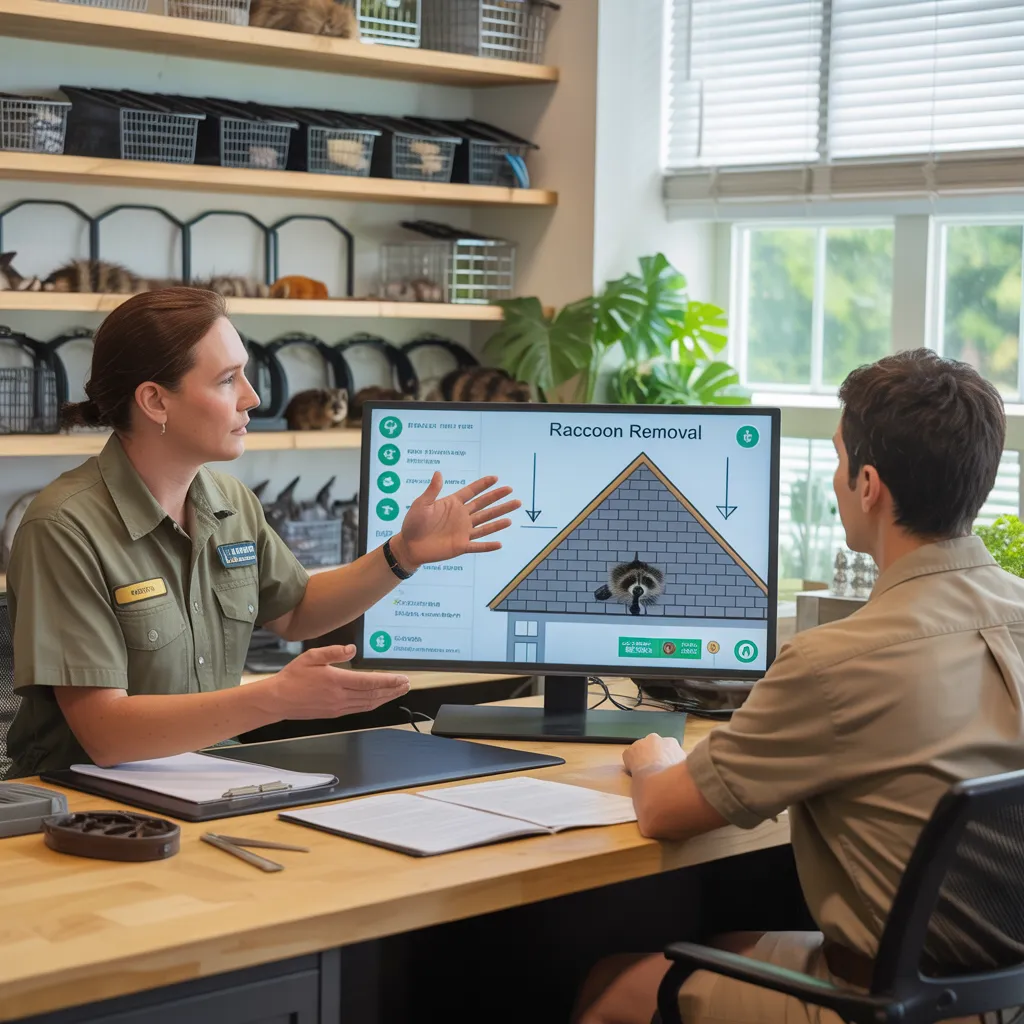
Typical Wildlife Challenges in Urban Environments
Urban settings regularly encounter a multitude of animal-related issues that can disrupt daily life and present health risks. Rodents, such as rats and mice, frequently invade homes and businesses, pursuing food and shelter. Their presence can lead to property damage and the spread of diseases like hantavirus and leptospirosis. Similarly, raccoons and squirrels regularly exploit urban environments, rummaging through trash and nesting in attics, which can result in further sanitation issues.
Birds, particularly pigeons, can create problems, producing unsightly droppings that create safety concerns and damage homes. Furthermore, larger creatures such as deer may move into metropolitan areas, causing perilous conditions on streets. As wildlife becomes accustomed to urban environments, the disputes between people and wildlife expand, calling for efficient control approaches to address these problems and protect community safety.
Why Animal Management Support Are Vital
Wildlife removal services prove important in lessening safety concerns that emerge from animal infestations. They also help reduce property damage from wildlife, which can result in expensive repairs. Additionally, these offerings play a role in upholding ecological balance by making certain that urban environments remain protected and resilient for both people and wildlife.
Health Hazards Reduction
When animals encroach on human spaces, they can create considerable risks to safety, making animal control vital for maintaining well-being. Wild fauna frequently transmit pathogens that can spread to humans, including rabies, hantavirus, and leptospirosis. Their droppings and liquid waste can soil areas and the atmosphere, creating breathing difficulties or infections. In addition, disease carriers such as ticks and fleas may enter dwellings, presenting further threats. Effective animal removal not only manages immediate pest problems but averts reoccurrences, thus protecting public health. Professionals experienced in ethical removal guarantee that animals are relocated rather than injured, promoting balance among animal life and people's homes. In conclusion, services serve a vital role in preserving both societal welfare and nature's balance.
Property Damage Protection
The provision of effective wildlife removal services is crucial in protecting properties against significant damage. Wildlife encroachment causes structural harm, such as bitten electrical wires, damaged insulation, and weakened roofing. Additionally, burrowing animals endanger foundations, which can lead to costly repairs. Addressing infestations promptly prevents further deterioration and maintains property value. Professional wildlife removal includes sealing entry points, reducing the likelihood of future invasions. This proactive approach safeguards the building’s physical integrity and limits disturbances to daily life. Investing in thorough wildlife removal mitigates risks, ensuring a secure and damage-free space for homeowners and business owners alike.
Keeping Ecological Equilibrium
Keeping ecological balance is necessary for healthy ecosystems, and wildlife removal services are integral in this process. These services aid in regulating wildlife populations that might become invasive or overly abundant, making sure that native species and their habitats are preserved. Overpopulation of certain species can cause resource depletion, habitat damage, and increased human-wildlife conflicts. Through skilled handling of wildlife, these services help maintain ecosystem stability, enabling the coexistence of diverse species. They also offer learning tools about local wildlife, encouraging community awareness and supporting conservation initiatives. In the end, wildlife removal services are crucial for sustaining biodiversity, safeguarding habitats, and ensuring ecosystems stay balanced and resilient.
Wildlife Removal: The Way Professionals Execute the Work
Professionals in animal control begin with a thorough inspection and assessment to determine the species and the scope of the issue. This preliminary assessment is crucial for determining the most efficient and compassionate extraction methods. Employing secure procedures ensures that both the animals and the adjacent ecosystem are safeguarded throughout the process.
Examination and Assessment Method
In wildlife removal, a comprehensive inspection and assessment process is crucial as it allows experts to pinpoint the exact challenges presented by nuisance animals. Professionals begin by surveying the property for indications of wildlife activity, such as droppings, tracks, and nesting materials. They analyze potential entry points, including gaps in walls, roofs, and foundations that animals could take advantage of. Additionally, the evaluation involves checking for harm caused by wildlife, which can reveal the extent of the infestation. Understanding the actions of the animals is vital for efficient management. This detailed assessment not only informs the removal strategy but also helps in preventing future invasions, assuring a long-term solution for a pest-free environment.

Secure Elimination Methods
Applying compassionate and effective methods, wildlife removal specialists utilize a variety of safe techniques to address infestations. These experts emphasize the well-being of animals and the environment alike. Trapping is a frequent method, using specialized cages that capture wildlife without injury, permitting relocation to appropriate habitats. In addition, exclusion techniques are used to seal entry points, stopping future invasions. Specialists may also apply natural repellents that deter wildlife without causing distress. Monitoring and follow-up assessments ensure the effectiveness of these methods, allowing for adjustments when necessary. By focusing on humane practices, wildlife removal specialists promote a balanced coexistence between humans and local wildlife, creating a pest-free environment while respecting nature’s role in the ecosystem.
Precautions and Ethics in Wildlife Removal
Ethical wildlife removal depends on the careful equilibrium between human safety and ethical treatment of creatures. Experts in wildlife management prioritize safety by employing techniques that minimize risks to both human and animal populations. This includes using traps designed to capture without causing harm and guaranteeing every engagement occurs with compassion.
Ethical concerns extend beyond just the techniques employed; they include the understanding of the animals' functions in the ecosystem. Responsible wildlife removal services support the humane relocation of animals rather than extermination, acknowledging the need to respect wildlife as integral components of the environment.
Additionally, ongoing coaching and preparation in kind methods are indispensable for professionals. This pledge to well-being and morality not only cultivates trust among communities but also advances a more cooperative relationship with wildlife. Accordingly, ethical wildlife removal is not just a service but a essential mandate that preserves the tenets of empathy and respect for all life forms.
Warding off Next Wildlife Intrusions
Understanding the value of ethical animal control inevitably points to the evaluation of prevention strategies against future infestations. Effective prevention begins with identifying and sealing access holes around homes and buildings. This includes examining foundations, basements, attics, and roofs for openings or fissures that wildlife can exploit.
Moreover, taking away food supplies is critical. Secure garbage bins, compost piles, and pet food to discourage animals from seeking easy meals. Upkeeping a clean yard by trimming overgrown vegetation and removing debris lowers potential habitats for wildlife.
Putting in place noise deterrents or motion-triggered lights can further discourage unwanted visitors. Frequently reviewing the property for marks of animal presence allows homeowners to address issues before they escalate. By taking these proactive steps, individuals can develop a space that minimizes the chance of future pest intrusions, securing a peaceful coexistence with nature while maintaining a vermin-free home.
How to Select the Best Animal Removal Operator?
When looking for a wildlife removal service, what vital considerations should homeowners consider? First, it is crucial to evaluate the company's experience and expertise in handling specific wildlife issues. A reputable service should have qualified professionals knowledgeable about local regulations and humane removal practices. Furthermore, homeowners should inquire about the techniques used for removal and exclusion, making sure they emphasize safety and environmental responsibility.
Furthermore, verifying permits and coverage can safeguard homeowners from legal responsibility during the extraction procedure. Client reviews and recommendations provide insight into the company's standing and effectiveness. Ultimately, clarity about costs and guarantees is essential; a reputable company will provide transparent quotes and follow-up support. By concentrating on these elements, homeowners can choose a wildlife removal service that satisfies their needs, ensuring a pest-free environment while adhering to ethical standards.
Regular Common Questions
Which Kinds of Fauna Do Wildlife Management Firms Manage?
Removal services for wildlife frequently handle assorted animals, among them raccoons, squirrels, squirrel removal opossums, bats, and birds. They resolve challenges linked to infestations, delivering humane removal and prevention of future animal incidents in residential and commercial properties.
Can Wildlife Removal Services Be Eco-Friendly?
Wildlife removal services can be environmentally responsible, utilizing compassionate techniques to move wildlife without harm. Many emphasize environmentally safe practices, ensuring reduced impact to local ecosystems while effectively addressing wildlife-related issues for homeowners and businesses alike.
How Extended is the Removal Process Usually?
The extraction process typically requires a few hours to a couple of days, depending on the situation's difficulty and the species involved. Factors such as location and necessary subsequent measures can also influence the duration.
Might Wildlife Removal Injure My Property?
Wildlife removal can possibly result in some structural harm, depending on the technique employed and the scenario. However, expert providers work to reduce any harm and often include restoration as part of the service.
What Could I Do if I Spot Wildlife Again?
If beasts is spotted again, folks should maintain a safe distance, avoid direct interactions, and document the sighting. Submitting the report to local wildlife authorities can confirm adequate handling and supervision of the situation.